1
Trezor Safe 5 Highest mark
Trezor at its best: fully open-source firmware paired, at last, with an EAL6+ secure element and a color touchscreen. The wallet to get if you want to verify, n...
Security 9.5
Ease 8.9
Assets 9.0
We set up and moved real bitcoin through each of these devices, weighed security, recovery and daily use, and ranked the best bitcoin hardware wallet for cold storage on merit alone.
The best best bitcoin hardware wallet we have tested is the Trezor Safe 5, which scores 9.1 out of 10 on our fixed 40-point standard, our best open-source hardware wallet.
We bought and lived with every best bitcoin hardware wallet in this ranking (7 in total), set each up with real funds, used it for a week, then ranked on merit alone with no paid placements. Close behind come the BitBox02 (8.5) and Ledger Nano X (8.5).
Each device was purchased at our own cost, not sent by the maker.
Set up, funded and carried daily before a single mark was given.
Affiliate links fund the work but never change a score or the order.
Each wallet was bought at our own cost, set up, funded and carried for a week before it earned a mark. The score is one number out of forty, weighing security, ease, assets, value and recovery.
Trezor at its best: fully open-source firmware paired, at last, with an EAL6+ secure element and a color touchscreen. The wallet to get if you want to verify, n...

A tiny Swiss-made cold wallet with fully open-source, reproducible firmware, a dual-chip design and a microSD backup. A Bitcoin-only edition strips the code to...
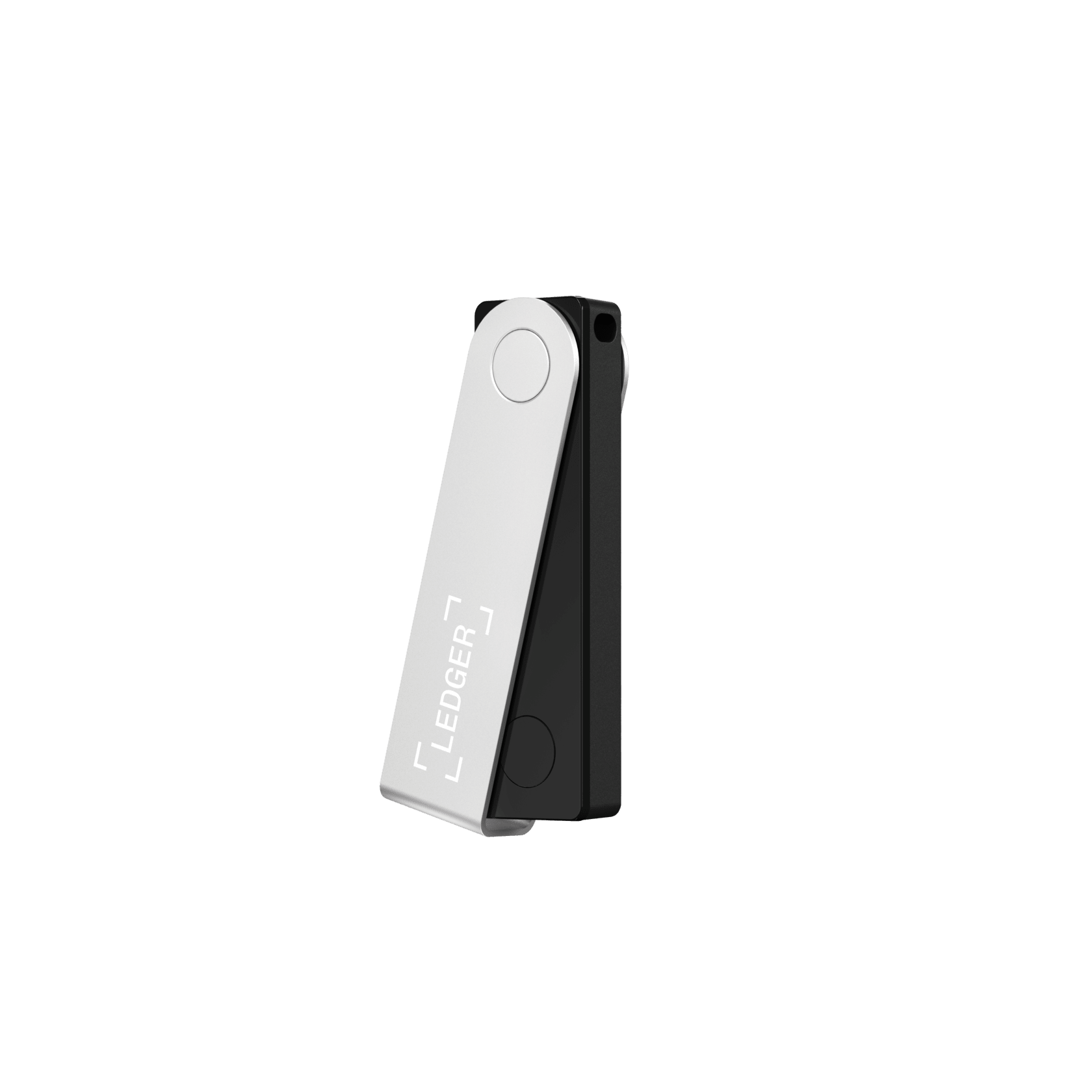
Ledger's mainstream flagship: a certified secure element and the widest coin support, with Bluetooth for phone use, though the firmware stays closed.
A cheap, fully open-source Bitcoin and Liquid hardware wallet with a camera for air-gapped signing. It skips a physical secure element for an open blind-oracle...
Block's Bitcoin-only hardware wallet ditches the seed phrase for a 2-of-3 setup across your phone, a fingerprint device and Block's server. Wonderfully easy, wi...

A fully air-gapped wallet with a big 4-inch touchscreen, a fingerprint reader and three secure-element chips. Open-source firmware you can actually reproduce.
A Bitcoin-only, air-gapped signer with dual secure elements and open-source firmware, long the power-user favorite. A 2026 seed-entropy flaw and multi-million-d...
Chip certification, breach history and how keys are isolated.
Setup, daily use, and how hard the app is to get wrong.
How many coins, tokens and chains it actually supports.
What you pay against what a rival gives for the money.
How safely you can restore if the device is lost or dies.
The best bitcoin hardware wallet keeps your keys off any internet-connected device and lets you verify every transaction on a screen you trust. That is the whole job of bitcoin cold storage, and while dozens of devices claim it, only a handful get the details right. For most people the best bitcoin wallet for real savings is a hardware wallet, not a phone app, and we funded and tested each bitcoin wallet below, from bitcoin-only signers to multi-coin devices, ranking them by how safely they protect coins you plan to hold for years.
| Wallet | Best for | Type | Price | Score |
|---|---|---|---|---|
| Trezor Safe 5 | Best overall for bitcoin | Touchscreen, open source | $169 | 9.1 |
| BitBox02 | Best bitcoin-only edition | USB, open source | $149 | 8.5 |
| Ledger Nano X | Bitcoin and altcoins | USB / Bluetooth | $149 | 8.5 |
| Blockstream Jade | Best value | Bitcoin-focused, air-gap option | from $67 | 7.6 |
| Keystone 3 Pro | Best air-gapped QR | QR air-gapped | $149 | 8.6 |
| Bitkey | Best for beginners | Bitcoin-only, app-based | $150 | 7.4 |
| Coldcard | Most air-gapped | Bitcoin-only, dual SE | from $189 | 6.8 |
The first choice is whether you want a bitcoin-only hardware wallet or one that also holds altcoins. A bitcoin-only device, like the BitBox02 Bitcoin edition or the Coldcard, runs less code and has a smaller attack surface, which purists treat as a security feature. A multi-coin wallet such as the Trezor Safe 5 or Ledger Nano X supports Bitcoin plus thousands of other assets, which is more convenient if your portfolio is not pure bitcoin. Neither is wrong; it depends on whether you value focus or flexibility in your bitcoin cold storage. For the multi-coin field, see our best hardware wallets.
How the device talks to your computer matters. A connected hardware wallet plugs in by USB, which is simple and safe for most people. An air-gapped bitcoin hardware wallet never touches a computer at all, moving transactions by QR code or microSD card, which removes an entire class of attack. The Keystone 3 Pro signs by QR, and the Coldcard can run fully air-gapped by microSD, so both suit larger balances where you want the strongest isolation. For a first device, a connected wallet is usually enough.
Two technical points separate a serious bitcoin hardware wallet from a toy. A certified secure element stores the key in tamper-resistant hardware, which every device we recommend includes. Open-source firmware lets independent researchers audit the code, and the strongest bitcoin devices, including Trezor and BitBox, are open source. We weigh the honest history here too: the Coldcard suffered a serious 2026 firmware entropy flaw that drained affected wallets, so it belongs on this list only on patched firmware with a freshly generated seed, which is exactly how we score it.
Most bitcoin is lost to bad backups, not hacks. Every hardware wallet here uses a standard recovery phrase you write down, and the best of them support passphrases and, in some cases, multisig for larger holdings. Before you move serious money onto any bitcoin hardware wallet, practice a full wipe and restore from your phrase so you know the backup works. A device is only as safe as your ability to recover it if the hardware is lost, stolen or simply dies. Our best cold storage guide covers recovery in more depth.
The everyday security of a bitcoin hardware wallet comes down to how it signs. On a connected device like the Ledger Nano X or Trezor Safe 5, the private keys stay inside the secure element and the transaction is shown on the device screen so you confirm the exact address and amount before signing; the Nano X adds Bluetooth for phone use, which is convenient but one more surface to trust. On an air-gapped device, signing happens entirely offline and the signed transaction moves back by QR or microSD, so the keys never meet an internet-connected computer at all. Whatever the model, the rule for bitcoin cold storage is the same: verify the receive address on the device screen, never on the computer, and only ever enter your recovery phrase on the official device, never on a website. A hardware wallet that shows you what you are signing on its own screen is doing the one job that keeps your bitcoin secure.
When we score a bitcoin hardware wallet, security is the first thing we weigh, and it breaks into concrete checks on the device itself. First, a certified secure element: the chip that holds your private keys should be tamper-resistant, which every device here, from the Ledger to the Trezor to the Coldcard, provides. Second, how the device signs: an on-device screen that shows the address and amount means you approve the real transaction, not one swapped by malware, and an air-gapped device that never connects by USB or Bluetooth removes an entire attack surface for cold storage. Third, open source firmware you can audit is itself a security feature, which is why open devices like Trezor and BitBox rank highly and closed firmware such as Ledger's draws more scrutiny. Fourth, the recovery path: your keys are only as safe as the seed backup, so we test a full restore on every device. We also weigh the honest history, including the 2026 Coldcard firmware flaw, and we only recommend buying a hardware wallet from the official store, since a tampered or counterfeit device is a real risk to your bitcoin. A Ledger with Bluetooth trades a little security for convenience; a fully air-gapped cold storage device trades convenience for the strongest protection. The right bitcoin hardware wallet is the one whose security trade-off matches how much bitcoin you hold and how often you move it.
Whichever bitcoin hardware wallet you choose, buy one with a certified secure element and open firmware, keep it current, and test your recovery before it holds real coins. See also the best hardware wallets, the best cold storage, the best crypto wallets.
The questions buyers ask most, answered plainly.
In our testing the best bitcoin hardware wallet overall is the Trezor Safe 5, which pairs a certified secure element with fully open-source firmware and an easy touchscreen. For a bitcoin-only device, the BitBox02 Bitcoin edition is our top pick.
Not necessarily. A bitcoin-only device runs less code and has a smaller attack surface, which purists prefer, but a multi-coin wallet like the Trezor Safe 5 or Ledger Nano X is just as safe for bitcoin and also holds other assets. Choose bitcoin-only if you want maximum focus.
The Blockstream Jade is the best value, an open-source, bitcoin-focused device that costs well under the premium names. If you want the cheapest safe way into bitcoin cold storage, it is the place to start.
An air-gapped bitcoin hardware wallet never connects to a computer, moving transactions by QR code or microSD card instead. This removes a class of USB-based attacks. The Keystone 3 Pro and Coldcard both support air-gapped use for larger balances.
The July 2026 Coldcard flaw was a firmware entropy bug that drained affected wallets, and it is fixed in current firmware. On patched firmware with a freshly generated seed the Coldcard is again a strong air-gapped signer, but any seed created on affected firmware stays at risk.
The Bitkey is the most beginner-friendly, using a simple app and recovery model without a raw seed phrase to manage. The Trezor Safe 5 is the friendliest of the traditional seed-based devices thanks to its touchscreen.
They protect your keys from online theft by keeping them off internet-connected devices, but most bitcoin is lost to bad backups, not hacks. Always practice a full wipe and restore from your recovery phrase before moving serious money onto any device.
Some are affiliate links that help fund the buying and testing. They never change a score or the order, and every device here was bought at our own cost, set up and funded with real bitcoin before it earned a mark.
The highest mark in this class at 9.1 out of 10. Trezor at its best: fully open-source firmware paired, at last, with an EAL6+ secure ele...
The dispatch brings you fresh reviews, re-scores, and the occasional caution about a wallet that has slipped. No noise, no filler.
No spam. Unsubscribe anytime.