1
Trezor Safe 5 Best open-source
Trezor at its best: fully open-source firmware paired, at last, with an EAL6+ secure element and a color touchscreen. The wallet to get if you want to...
Security 9.5
Ease 8.9
Assets 9.0
Each wallet below was bought at our own cost, tested against the same forty-point standard, and entered in the register by score alone. No maker buys a place.
The register mixes every kind of wallet we test. To narrow it down, jump straight to a category hub, each ranked on the same forty-point standard.
Offline cold-storage devices that keep your crypto keys off the internet.
Software hot wallets for everyday DeFi, NFTs and multichain use.
The most secure ways to hold serious, long-term crypto holdings.
Slim metal and leather everyday-carry wallets for cards and cash.
Card holders that snap magnetically onto the back of an iPhone.
Wallets that shield your contactless cards from wireless scanning.
Three wallets sit at the top of the register right now, each the highest mark we have given in its class. The order is set by score alone.
Trezor at its best: fully open-source firmware paired, at last, with an EAL6+ secure eleme...
Read full review →A tap-to-use cold wallet in a card that sets up in about ninety seconds, with an EAL6+ sec...
Read full review →A slim metal cardholder with genuine RFID shielding and a lifetime build. The reference po...
Read full review →Trezor at its best: fully open-source firmware paired, at last, with an EAL6+ secure element and a color touchscreen. The wallet to get if you want to...

A tap-to-use cold wallet in a card that sets up in about ninety seconds, with an EAL6+ secure chip and no seed phrase to lose. The gentlest way off an...

A slim metal cardholder with genuine RFID shielding and a lifetime build. The reference point for minimalist everyday carry, if you have trimmed down...

A slim Dutch wallet built around an aluminium Cardprotector: push a lever and your cards fan out for one-handed access, shielded from bending and skim...

A fully air-gapped wallet with a big 4-inch touchscreen, a fingerprint reader and three secure-element chips. Open-source firmware you can actually re...

A security-maximalist, fully air-gapped wallet with the only EAL7-certified operating system in crypto, offline "Perfect Key" generation and a steel b...

A MagSafe card holder with a genuinely secure snap, a fold-out phone stand, and a three-year warranty. The one to beat if you do not need a tracker.

A leather-over-aluminium cardholder that fans your cards out at the push of a lever, with RFID-shielded storage and an optional Find My tracker card.

A tiny Swiss-made cold wallet with fully open-source, reproducible firmware, a dual-chip design and a microSD backup. A Bitcoin-only edition strips th...
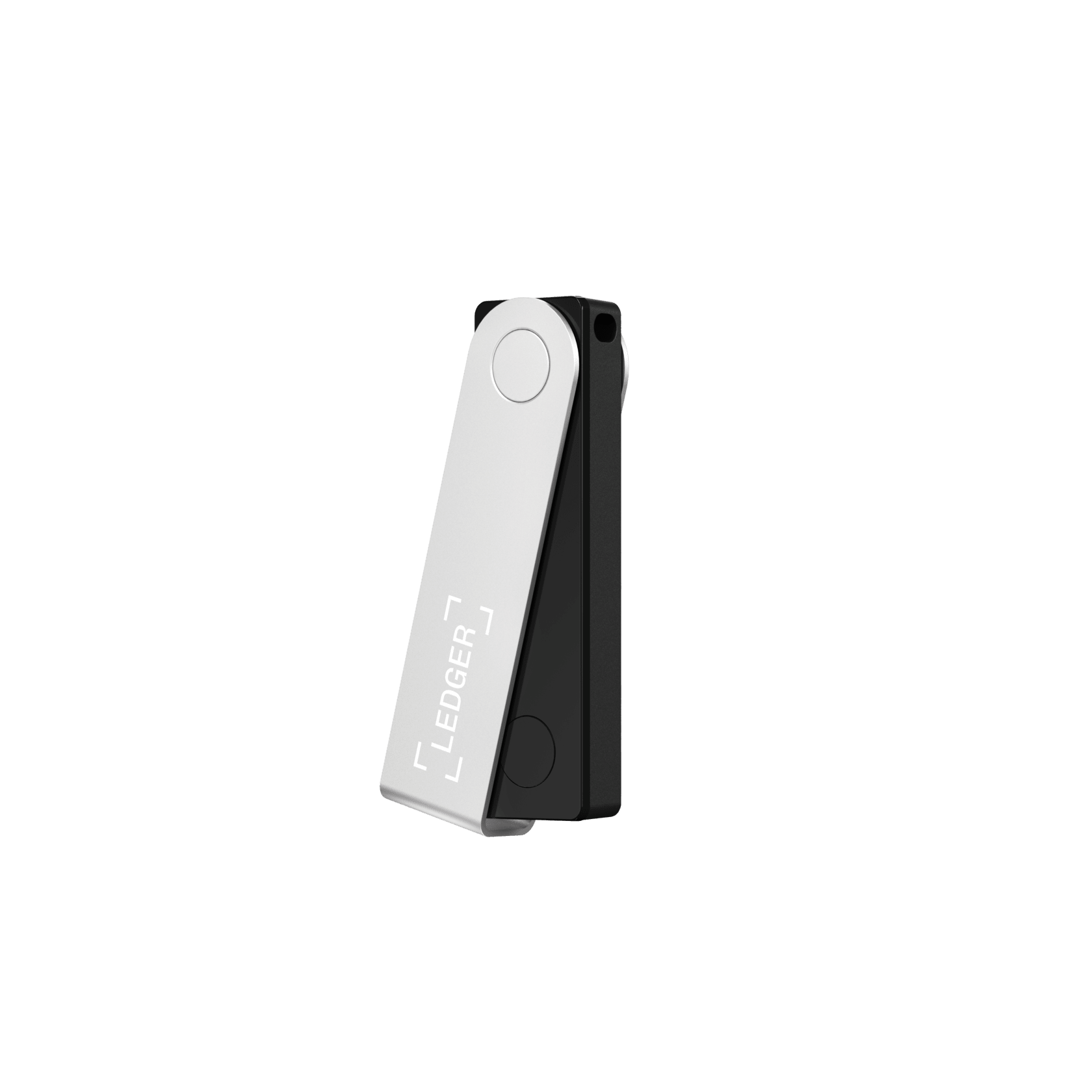
Ledger's mainstream flagship: a certified secure element and the widest coin support, with Bluetooth for phone use, though the firmware stays closed.

A metal card wallet with a bank-grade EAL6+ secure element and three-factor tap-to-sign. Cold-storage security in your pocket, from a NASDAQ-listed ca...

A sealed-metal, fully air-gapped wallet with a 4-inch touchscreen, a self-destruct anti-tamper body and support for 10,000+ tokens. The trade-off is c...

A Horween leather MagSafe wallet with a built-in, rechargeable Find My tracker. Premium, findable, and a little bulkier for it.

A DeFi-first EVM wallet that shows you exactly what a transaction will do before you sign, and switches chains automatically. Open-source, audited, an...
A slim leather bifold that still carries real cash and up to eleven cards, from a certified B Corp. Just pick the RFID edition if you want skim protec...
The original hardware wallet: proven, open-source and affordable, if now showing its age.

A polished aluminium cold wallet with a big 2.8-inch touchscreen, an Infineon EAL5+ secure element and both USB-C and Bluetooth. Easy to verify on, if...

A keyless MPC wallet with no seed phrase to lose or get phished for, recovered by your face and email instead. The friendliest security model for newc...

The default gateway to Ethereum and Web3, now genuinely multichain across EVM, Solana and Bitcoin from a single seed. Free, self-custody, and supporte...

An aluminium minimalist wallet with a smooth thumb-slide card ejector, built-in RFID blocking and a money clip, backed by a 94-year warranty.

The wallet that made Solana easy, now multi-chain across Ethereum, Bitcoin and more, with clean design and genuinely useful scam warnings.
The self-custody wallet from the team behind the biggest decentralized exchange, with in-app swaps, MEV protection and, since late 2025, zero interfac...

The compact original that made Ledger a household name. Its certified secure chip is as safe as ever; its tiny app storage is why most owners upgrade...

A fully air-gapped cold wallet for under $50, with a certified secure element, a self-destruct anti-tamper design and a big multi-chain app. The cheap...

An aluminium quick-access wallet whose lever fans your cards out in a cascade, in a modular line spanning slim to regular sizes and several finishes.

Coinbase self-custody wallet, where you hold your own keys, not the custodial exchange. Broad chains, an optional encrypted cloud backup, and a beginn...
A premium aluminium MagSafe wallet that works as a standalone cardholder too, with RFID blocking. Just plan to add the strengthening plate for a firm...
The best-looking self-custody wallet for Ethereum and its layer-2s, open source with Ledger and Trezor support. The limits are that it is EVM-only and...

A handmade, full-grain vegetable-tanned leather wallet with a vertical design and a lifetime free-replacement warranty. Craft over gadgetry, with no R...

A leather-and-aluminium minimalist wallet with a high card capacity, RFID blocking and an unusually strong guarantee that covers even loss or damage.

A free, open-source self-custody mobile wallet from the Kraken exchange, with no account or KYC required and a strong privacy stance. Not to be confus...

One of the first hardware wallets with a fingerprint sensor: unlock and sign with a touch, over Bluetooth, with a certified secure element and standou...

A beautifully designed desktop and mobile wallet with a built-in exchange, from a US-listed public company. The catch: the security-critical core is c...
A veteran, open-source, self-custody Bitcoin wallet with unmatched fee and coin control. Powerful and free, but the interface is dated and fake-clone...
The most complete self-custody wallet for the XRP Ledger, formerly XUMM, with the DEX, AMM, trustlines, NFTs and an independent audit. The trade-offs:...

A slim full-grain leather bifold with RFID blocking and a pull-tab, at a price that undercuts almost every leather rival. Great value, mid-tier build.
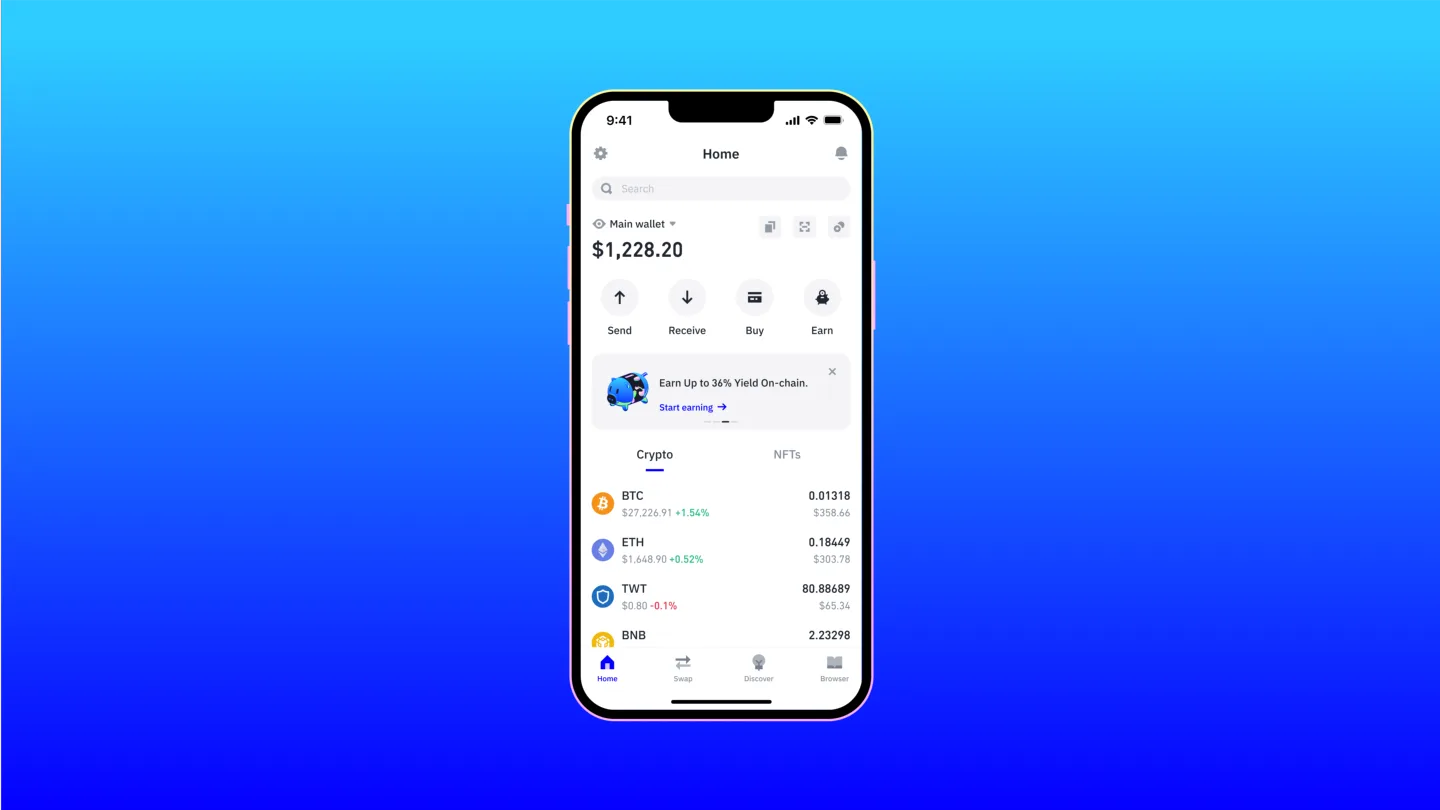
A friendly, hugely multi-chain mobile wallet that holds almost anything and connects to dApps out of the box. Just keep it to the mobile app, not the...
A fully open-source hardware and software wallet with reproducible builds, multiple secure elements, and air-gapped QR signing on the Pro. Broad multi...

A slim vegan-leather MagSafe wallet that folds into a two-angle phone stand. Great value and versatility, if you can live with modest magnets.
A Solana-native self-custody wallet built around staking, with three hardware-wallet options and a clean security record. The limits are that it is So...
Robinhood's standalone self-custody wallet is polished and multichain, with Bitcoin and Solana support and Apple Pay funding. Just know it is separate...
Heavy, over-built full-grain leather wallets with a 100-year warranty that will outlast you. The trade-offs are real bulk, a stiff break-in, and patch...
A powerhouse self-custody wallet: 130-plus chains, a deep swap and bridge aggregator, and both seed-phrase and keyless options. The trade-offs are a c...
A seedless cold wallet that splits your key across a tap device and four cards, so there is no single seed phrase to lose. Clever and audited, but des...

A budget MagSafe card wallet with a surprisingly firm grip and a lifetime warranty. Just keep it full, or cards can slip.
A cheap, fully open-source Bitcoin and Liquid hardware wallet with a camera for air-gapped signing. It skips a physical secure element for an open bli...

Apple's own MagSafe wallet has clean Find My integration and a slim look, but the FineWoven fabric wears quickly and the magnet is weaker than rivals.
A feature-packed self-custody wallet, formerly BitKeep, with 130-plus chains, a strong swap engine, gas paid in stablecoins and a large protection fun...
The go-to open-source, non-custodial wallet for Monero and Bitcoin privacy, with no KYC and Silent Payments. Its record carries a serious Bitcoin entr...
Block's Bitcoin-only hardware wallet ditches the seed phrase for a 2-of-3 setup across your phone, a fingerprint device and Block's server. Wonderfull...
A free, open-source Bitcoin and Lightning wallet that packs desktop-grade features into a phone: multisig, watch-only, coin control and hardware signi...
A slim aluminum card wallet with a pop-up ejector, RFID blocking and a MagSafe version, at roughly half the price of Ridge or Ekster. Strong value, wi...
KuCoin's self-custody Web3 wallet packs swaps, 20 chains, staking and in-wallet perps into one app. The catches are an unconfirmed audit and KuCoin's...
A genuinely slim, good-looking minimalist wallet made from apple-based vegan leather by a B Corp. RFID blocking is included, but the card capacity is...
A veteran non-custodial wallet covering an enormous range of coins across web, desktop, mobile and extension, with built-in staking. Watch the non-sta...
The wallet inside the Winklevoss-founded Gemini exchange is heavily regulated and insured, with a new self-custody option added in 2025. The drawback...
A Bitcoin-only, air-gapped signer with dual secure elements and open-source firmware, long the power-user favorite. A 2026 seed-entropy flaw and multi...
The easiest way to self-custody Bitcoin and Lightning in one app, with no channels to manage. The catch is real: its submarine-swap design can make Li...
One of the oldest multichain wallets, self-custody with huge coin support and strong privacy. Two things weigh it down: a 2019 seed-exposure bug and c...
A custodial platform that trades crypto, metals and currencies in one account, with real-time proof of reserves. The catches are spread-based fees and...
The word wallet means two very different things on this site, and the register above scores both. One is the crypto wallet that guards the private keys to your coins. The other is the everyday-carry wallet that holds your cards and cash. They answer to completely different tests, so we judge each on its own terms and keep a separate mark for every kind.
This guide walks through the main types, how to choose within each, and the honest trade-offs behind them, so the ranking above reads as a set of clear decisions rather than a wall of names.
Before you compare individual models, it helps to know which family you are shopping in. Each kind is built around a different job, and picking the wrong family is the most common way people overspend or under-protect what they carry.
| Type | What it holds | Best for | Main trade-off |
|---|---|---|---|
| Hardware wallet | Crypto private keys, offline | Anyone holding meaningful crypto | Costs money; one more device to keep safe |
| Software (hot) wallet | Crypto keys on your phone or browser | Everyday DeFi, NFTs, small balances | Connected to the internet, so more exposed |
| Cold storage, air-gapped | Long-term crypto, fully offline | Serious, long-hold savings | Slower to use; overkill for small sums |
| Minimalist metal or leather | A few cards and some cash | Slim everyday carry | Limited capacity by design |
| MagSafe wallet | Two or three cards on your iPhone | Phone-first carry | Magnet strength and card limits vary |
| RFID-blocking wallet | Contactless cards, shielded | Peace of mind against wireless reads | The threat it blocks is rare in practice |
Most buyers only need one or two of these. A crypto holder pairs a hardware wallet for savings with a software wallet for daily spending, while someone shopping for a physical wallet is usually choosing between capacity and slimness.
With crypto, the wallet is the last line of defense between your coins and everyone who wants them. A few questions separate a genuinely safe choice from a risky one.
Hot or cold? A hot wallet lives on an internet-connected device and is convenient for trading and DeFi, but that connection is also its weakness. A cold wallet keeps your keys offline, which is far safer for anything you are not actively spending. The sensible split is a small hot wallet for daily use and a cold or hardware wallet for the bulk of your holdings.
Is it open-source, and has it been audited? Open-source firmware lets independent researchers inspect exactly how a wallet handles your keys, and a published third-party audit is a sign the maker welcomes that scrutiny. Closed-source wallets can still be good, but you are trusting the company's word rather than the code.
Does it use a secure element? A certified secure-element chip is purpose-built to resist physical tampering and keep your keys isolated even if the device is stolen. It is the difference between a wallet that merely stores a secret and one that actively defends it.
How does recovery work? Almost every crypto wallet backs up to a recovery phrase, usually twelve or twenty-four words. You, and only you, should write that phrase down and keep it offline. Never buy a hardware wallet that arrives with a pre-printed seed phrase, and never type your phrase into any website or app that asks for it.
Physical wallets are a simpler decision, but the details still matter over years of daily use. Three things decide whether you will be happy with one.
Capacity against slimness. Every wallet trades one for the other. A slim cardholder disappears in a front pocket but forces you to carry only your essential cards, while a bifold holds everything and brings back the bulk. Be honest about how many cards you actually reach for in a week.
Material and how it ages. Full-grain leather softens and develops a patina, metal shrugs off abuse, and cheaper coated fabrics tend to scuff and wear early. This is where a low price often shows itself first, and it is one of the things we watch for most in a week of carry.
The RFID question, honestly. Many wallets advertise RFID blocking to stop wireless card scanning. It is a real feature, but real-world contactless theft is rare, and modern chip cards are already limited in what a skimmer can read. Treat RFID shielding as a mild bonus, not a reason to pay a large premium.
| If you want | Look for |
|---|---|
| The smallest possible carry | A metal or single-pocket cardholder, three to five cards |
| Room for everything | A leather bifold with cash and coin space |
| Cards on your phone | A MagSafe wallet with a strong, consistent magnet |
| A wallet that lasts years | Full-grain leather or machined metal, not coated fabric |
Nothing enters this register on a spec sheet alone. We buy each wallet at our own cost, set it up, fund or fill it, and carry it for a full week before it earns a score. Living with a wallet surfaces the things a product page never mentions: a magnet that fades, an app that fights you, a seam that lifts.
The score itself is one number out of forty fixed points, weighing security, ease of use, the breadth of what it holds, value for the money, and how safely you can recover if it is lost. The same standard is applied to every wallet, so a mark here means the same thing in every category.
Affiliate links fund this work, and we say so plainly. What they never do is move a score or a position. No maker can buy a place in the register, a higher mark, or a kinder word, and the order you see is set by score alone.
Part of an honest review is naming what goes wrong. These are the things that reliably cost a wallet points, whichever kind it is.
Use the ranking above as a shortlist, not a verdict. Once a wallet or two fits the family and the trade-offs you have settled on, open the full review to see exactly how it earned its mark, where it slips, and who it is genuinely for.
Each one is purchased at our own cost and lived with for a week, never sent free by the maker.
Forty points across security, ease, breadth of assets, value and recovery, applied to every wallet the same way.
Position in the register is set by score alone. No brand can buy a spot, a mark, or a kinder word.
Every wallet in this register is bought at our own cost and scored on the same fixed forty-point standard, then carried for a week before it earns its mark. No maker can buy a place, a higher score, or a kinder word.
Read the standardNo. Every wallet is bought at our own cost and scored on the same fixed forty-point standard. No maker can pay for a place, a higher mark, or a kinder verdict; position is set by score alone.
Each wallet is set up, funded and carried for a week, then scored out of forty points across security, ease of use, breadth of supported assets, value and recovery. That single mark is what ranks the register.
The register is re-checked monthly, and reviews are revisited whenever a wallet ships a major update, changes price, or a new security issue comes to light.
The wallet at the top of the register is simply the one with the highest mark under our standard right now. Sort by "Top marked" to see the current leader, or browse a category hub for the best in each type.
A hardware wallet keeps your crypto private keys on a dedicated offline device, so they never touch the internet. A software or "hot" wallet stores keys on your phone or browser, which is more convenient for daily use but more exposed. Many people use both: a hardware wallet for savings and a software wallet for spending.
If you hold more than a small, spendable amount, a hardware wallet is the safest place to keep it. For small balances you are actively trading, a reputable software wallet is fine. The rule of thumb is to keep online only what you would be comfortable losing, and move the rest to cold storage.
They share the same forty-point scale, but the criteria are weighted for each kind. A crypto wallet is judged mostly on security and recovery, while a leather or metal wallet is judged on build, capacity and everyday carry. That is why we keep a separate ranking for every category.
They do block wireless scanning, but the risk they guard against is small. Real-world contactless card theft is rare, and modern chip cards limit what a skimmer can read. Treat RFID shielding as a minor bonus rather than a reason to pay a large premium.
No. Price often buys better materials or a secure-element chip, but plenty of mid-priced wallets outscore pricier rivals on value and daily use. Our score weighs what you pay against what you get, which is why the highest mark is not always the most expensive option.
We buy every wallet ourselves, take no free units in exchange for coverage, and let no brand pay for a place or a score. Affiliate links fund the work and are disclosed plainly, but they never change a mark or the order of the register.
Start by choosing the right family for the job, then match it to how you actually carry. For crypto, favor an open-source, audited wallet with a clear recovery process and, ideally, a secure element. For everyday carry, decide between capacity and slimness first, then pick a material built to last.
The dispatch brings you fresh reviews, re-scores, and the occasional caution about a wallet that has slipped. No noise, no filler.
No spam. Unsubscribe anytime.