1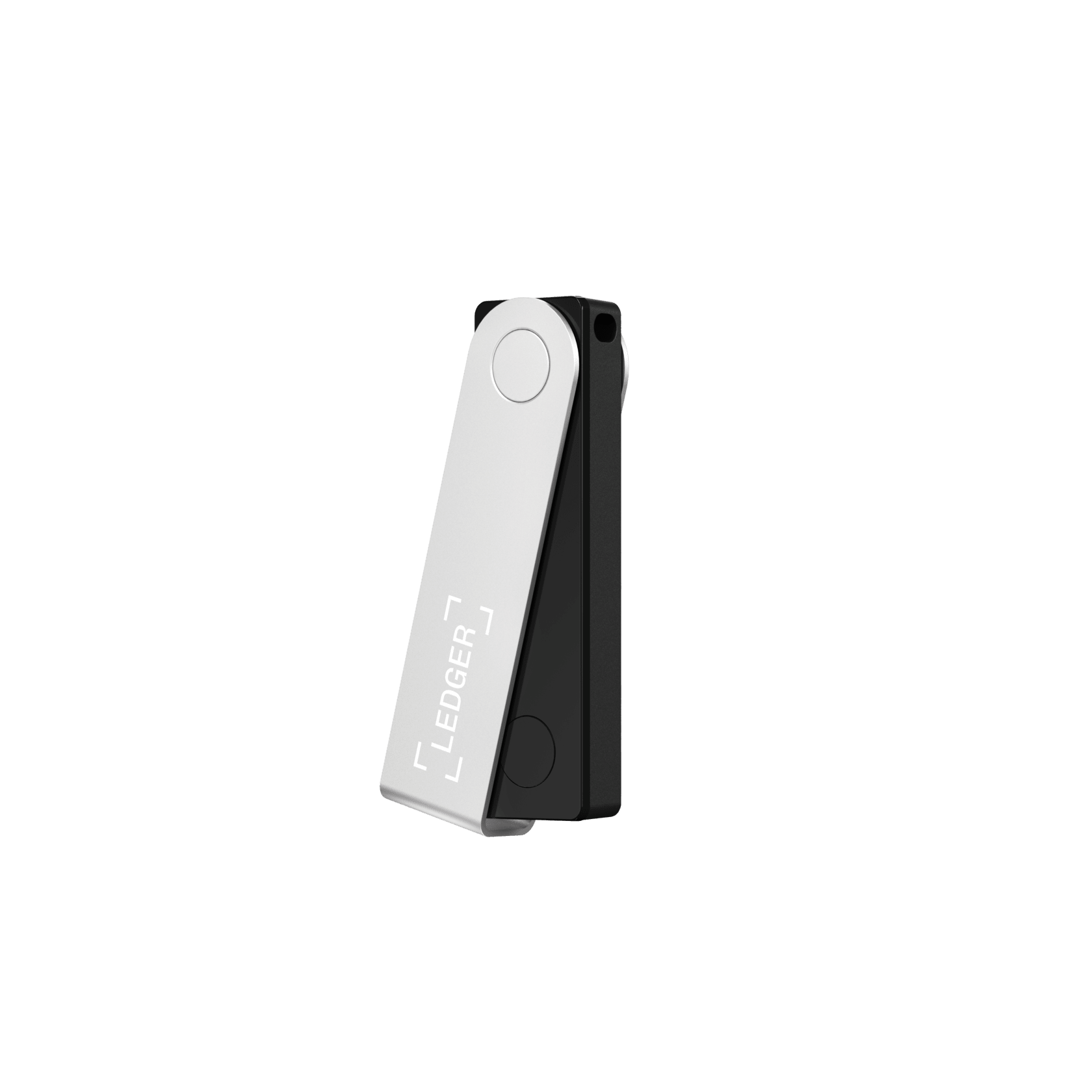
Ledger Nano X Highest mark
Ledger's mainstream flagship: a certified secure element and the widest coin support, with Bluetooth for phone use, though the firmware stays closed.
Security 8.8
Ease 8.6
Assets 9.5
The right crypto wallet depends on what you are doing: a fast app for daily trades, or an offline device for savings. We tested both kinds and ranked them so you can match the wallet to the job.
The best crypto wallet we have tested is the Ledger Nano X, which scores 8.5 out of 10 on our fixed 40-point standard, best for broad coin support.
We bought and lived with every crypto wallet in this ranking (34 in total), set each up with real funds, used it for a week, then ranked on merit alone with no paid placements. Close behind come the Trezor Safe 5 (9.1) and Tangem Wallet (8.8).
Each device was purchased at our own cost, not sent by the maker.
Set up, funded and carried daily before a single mark was given.
Affiliate links fund the work but never change a score or the order.
Each wallet was bought at our own cost, set up, funded and carried for a week before it earned a mark. The score is one number out of forty, weighing security, ease, assets, value and recovery.
Ledger's mainstream flagship: a certified secure element and the widest coin support, with Bluetooth for phone use, though the firmware stays closed.

Trezor at its best: fully open-source firmware paired, at last, with an EAL6+ secure element and a color touchscreen. The wallet to get if you want to verify, n...

A tap-to-use cold wallet in a card that sets up in about ninety seconds, with an EAL6+ secure chip and no seed phrase to lose. The gentlest way off an exchange.

A metal card wallet with a bank-grade EAL6+ secure element and three-factor tap-to-sign. Cold-storage security in your pocket, from a NASDAQ-listed card maker.

A sealed-metal, fully air-gapped wallet with a 4-inch touchscreen, a self-destruct anti-tamper body and support for 10,000+ tokens. The trade-off is closed core...

A DeFi-first EVM wallet that shows you exactly what a transaction will do before you sign, and switches chains automatically. Open-source, audited, and an easy...

The default gateway to Ethereum and Web3, now genuinely multichain across EVM, Solana and Bitcoin from a single seed. Free, self-custody, and supported by almos...

A keyless MPC wallet with no seed phrase to lose or get phished for, recovered by your face and email instead. The friendliest security model for newcomers, wit...

A fully air-gapped cold wallet for under $50, with a certified secure element, a self-destruct anti-tamper design and a big multi-chain app. The cheapest seriou...

The wallet that made Solana easy, now multi-chain across Ethereum, Bitcoin and more, with clean design and genuinely useful scam warnings.

Coinbase self-custody wallet, where you hold your own keys, not the custodial exchange. Broad chains, an optional encrypted cloud backup, and a beginner-friendl...

A free, open-source self-custody mobile wallet from the Kraken exchange, with no account or KYC required and a strong privacy stance. Not to be confused with th...

A beautifully designed desktop and mobile wallet with a built-in exchange, from a US-listed public company. The catch: the security-critical core is closed sour...
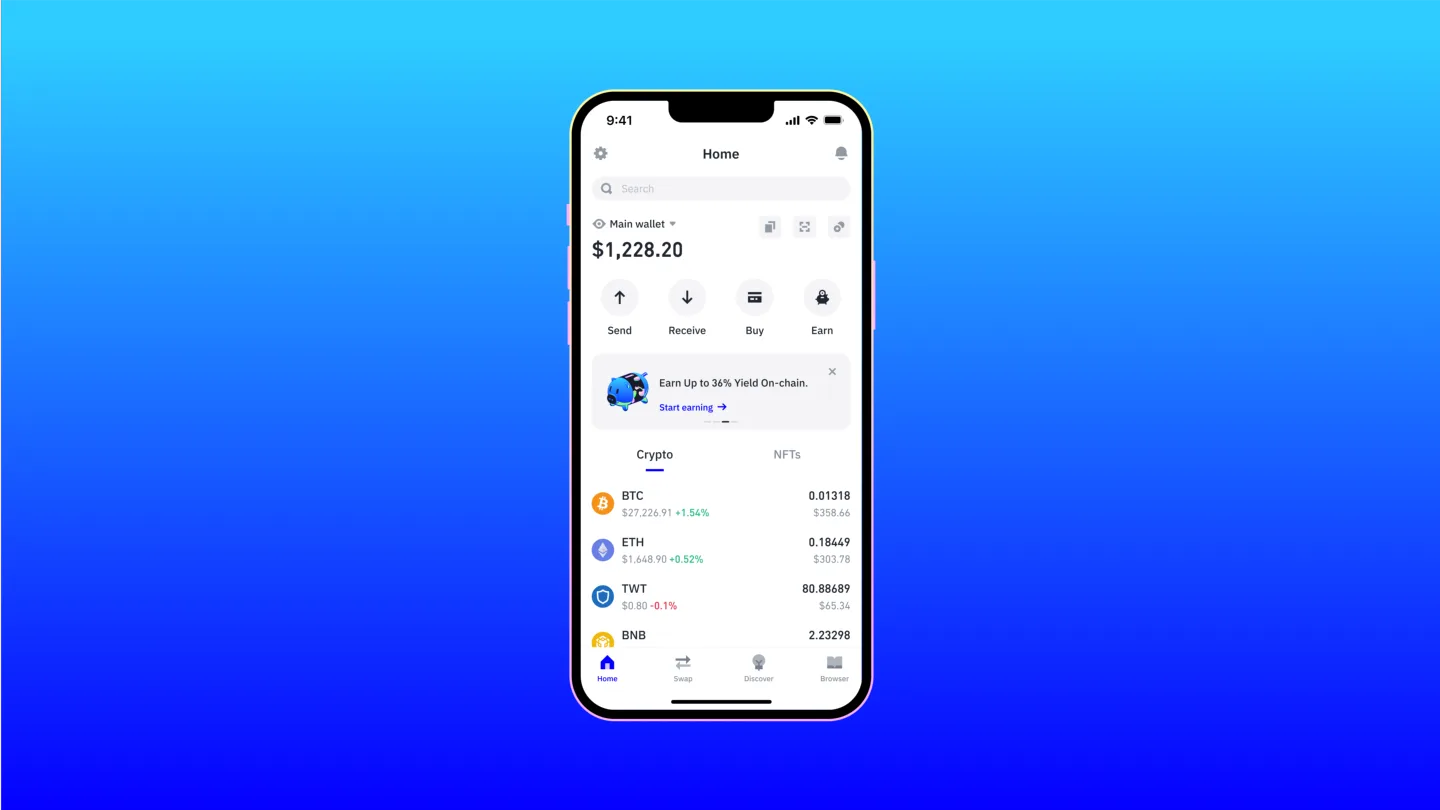
A friendly, hugely multi-chain mobile wallet that holds almost anything and connects to dApps out of the box. Just keep it to the mobile app, not the browser ex...

A free, non-custodial all-in-one hot wallet for 1,000+ assets, with swaps and staking built in. Overshadowed by a 2023 breach that was never publicly explained.
The self-custody wallet from the team behind the biggest decentralized exchange, with in-app swaps, MEV protection and, since late 2025, zero interface fees. Th...
Robinhood's standalone self-custody wallet is polished and multichain, with Bitcoin and Solana support and Apple Pay funding. Just know it is separate from your...
KuCoin's self-custody Web3 wallet packs swaps, 20 chains, staking and in-wallet perps into one app. The catches are an unconfirmed audit and KuCoin's exit from...
A powerhouse self-custody wallet: 130-plus chains, a deep swap and bridge aggregator, and both seed-phrase and keyless options. The trade-offs are a closed-sour...
A feature-packed self-custody wallet, formerly BitKeep, with 130-plus chains, a strong swap engine, gas paid in stablecoins and a large protection fund. It carr...
The wallet inside the Winklevoss-founded Gemini exchange is heavily regulated and insured, with a new self-custody option added in 2025. The drawback is expensi...
The best-looking self-custody wallet for Ethereum and its layer-2s, open source with Ledger and Trezor support. The limits are that it is EVM-only and its in-ap...
A veteran non-custodial wallet covering an enormous range of coins across web, desktop, mobile and extension, with built-in staking. Watch the non-standard back...
One of the oldest multichain wallets, self-custody with huge coin support and strong privacy. Two things weigh it down: a 2019 seed-exposure bug and closed-sour...
The most complete self-custody wallet for the XRP Ledger, formerly XUMM, with the DEX, AMM, trustlines, NFTs and an independent audit. The trade-offs: it is XRP...
The easiest way to self-custody Bitcoin and Lightning in one app, with no channels to manage. The catch is real: its submarine-swap design can make Lightning pa...
A Solana-native self-custody wallet built around staking, with three hardware-wallet options and a clean security record. The limits are that it is Solana-only...
A respected open-source, Tor-by-default Bitcoin desktop wallet, but its signature CoinJoin no longer works out of the box after the 2024 coordinator shutdown, a...
A veteran, open-source, self-custody Bitcoin wallet with unmatched fee and coin control. Powerful and free, but the interface is dated and fake-clone phishing i...
A free, open-source Bitcoin and Lightning wallet that packs desktop-grade features into a phone: multisig, watch-only, coin control and hardware signing. Lightn...
The go-to open-source, non-custodial wallet for Monero and Bitcoin privacy, with no KYC and Silent Payments. Its record carries a serious Bitcoin entropy bug th...
A custodial platform that trades crypto, metals and currencies in one account, with real-time proof of reserves. The catches are spread-based fees and that your...
The crypto wallet from the eToro broker is simple and regulated, but despite the name it is custodial, not self-custody. A 2% transfer fee and one-way transfers...
Once a popular retail crypto app, Abra wound down its US retail business in 2023 after regulatory settlements and is now an institutional firm. US retail users...
Chip certification, breach history and how keys are isolated.
Setup, daily use, and how hard the app is to get wrong.
How many coins, tokens and chains it actually supports.
What you pay against what a rival gives for the money.
How safely you can restore if the device is lost or dies.
The best crypto wallet depends entirely on what you do with your coins. A daily DeFi trader and a long-term holder need very different tools, so rather than crown one winner, here are the wallets we would recommend by use case. Every one was tested on real funds and scored on the same fixed standard.
| If you want | Our pick | Why |
|---|---|---|
| The best overall for security | Trezor Safe 5 ($169) | An open-source hardware wallet with an EAL6+ secure element. The highest mark in our register for keeping serious holdings offline. |
| The best free wallet for DeFi | Rabby (Free) | A software wallet built for safe DeFi, with clear transaction previews and risk warnings before you sign. |
| The best wallet for Ethereum and EVM chains | MetaMask (Free) | The standard for Ethereum, Polygon, Arbitrum and thousands of dApps, with built-in swaps and bridging. |
| The best wallet for Solana | Phantom (Free) | Fast, readable and beginner-friendly on Solana, with staking, swaps and NFT support built in. |
| The best wallet with no seed phrase | Zengo (Free) | Replaces the seed phrase with encrypted key-share technology, removing the biggest failure point for beginners. |
| The best hardware wallet for beginners | Tangem (from $54.90) | A tap-to-phone card with a certified chip that sets up in about ninety seconds, with no seed phrase to lose. |
| The widest coin and chain support | Ledger Nano X ($149) | A certified secure element and support for over 5,500 assets, plus Bluetooth and a polished app. |
| The best self-custody wallet from an exchange | Coinbase Wallet (Free) | A non-custodial wallet, separate from the Coinbase exchange, that is easy to fund and use. |
| The best mobile multi-chain wallet | Trust Wallet (Free) | A simple mobile hot wallet that handles a huge range of chains and tokens in one app. |
Every crypto wallet is either hot or cold, and the choice matters more than the brand. A hot wallet is a software app on your phone, browser or desktop; it keeps your private keys on an internet-connected device, which makes it fast for spending, trading, DeFi and NFTs. A cold wallet, usually a hardware wallet, keeps your keys entirely offline, which makes it far safer for money you hold.
You do not have to pick one. The setup we recommend for most people is both: a free software wallet for the coins you actively use, and a hardware wallet for the bulk you are holding for the long term. Keep online only what you would be comfortable losing, and move the rest to cold storage.
| Hot wallet (software) | Cold wallet (hardware) | |
|---|---|---|
| Keys kept | Online, on a phone or browser | Offline, on the device |
| Best for | Daily spending, DeFi, NFTs, trading | Long-term and high-value holdings |
| Cost | Free | $49 to $400 |
| Examples | MetaMask, Phantom, Rabby, Trust Wallet | Trezor Safe 5, Ledger Nano X, Tangem |
A software wallet is free, installs in minutes and is the right choice for anything you do often. The best one depends on the chains you use.
MetaMask is the default for Ethereum and EVM chains like Polygon and Arbitrum, connecting to thousands of dApps with swaps and bridging built in. Phantom is the smoothest wallet for Solana, and now spans several chains. Rabby is our pick for safer DeFi, showing a clear preview and risk check before every signature. Trust Wallet is a strong mobile multi-chain option, and Zengo removes the seed phrase entirely, which makes it one of the best crypto wallets for beginners. All are non-custodial and free.
For anything you are holding rather than spending, a hardware wallet is the single biggest security upgrade you can make. It keeps your private keys in a sealed chip that never touches the internet, so even a compromised computer cannot move your funds. The Trezor Safe 5 leads our ranking for open-source security, the Ledger Nano X covers the widest range of coins and tokens, and the Tangem card is the gentlest way in for beginners. Air-gapped options like the SafePal S1 sign by QR code with no cable at all, while the Tangem card taps to your phone over NFC and needs almost no setup. For the full detail, see our guides to the best hardware wallets and the best cold storage wallets.
If you are new, the best crypto wallet is the one that removes the biggest first-timer mistake: losing or mishandling the seed phrase. Zengo (free) replaces the seed phrase with encrypted key shares, so there is nothing to write down and lose, and the Tangem card sets up in about ninety seconds with a tap to your phone. Both are a gentle, hard-to-break way into self-custody.
If you would rather start with a familiar app, a reputable mobile wallet like Trust Wallet is an easy multi-chain first step for small amounts, and MetaMask is the standard once you explore Ethereum apps. The pattern to aim for is simple: learn on a free wallet with pocket money, then add a hardware wallet as your holdings grow. If the very idea of a wallet is new, start with what is a crypto wallet and the hot wallet vs cold wallet guide.
Nothing enters this ranking on a spec sheet alone. We install or unbox each wallet, fund it with real crypto, run genuine transactions and, for hardware devices, a full recovery, before it earns a score. Each wallet is marked out of forty points across security, ease of use, supported assets, value and recovery, so a mark here means the same thing whether the wallet is free software or a $400 device.
| What to weigh | Why it matters |
|---|---|
| Self-custody | A non-custodial wallet gives you sole control of your private keys. If a wallet or exchange holds the keys for you, it controls your coins; the phrase "not your keys, not your crypto" exists for a reason. |
| Supported chains and coins | Confirm the wallet handles your exact assets. Some are single-chain (Phantom leans Solana, MetaMask leans EVM), while others like Trust Wallet or Ledger span thousands. |
| Security model | For a software wallet, look at its track record and whether it is open source. For hardware, look for a certified secure element and clear recovery. |
| Ease of use | The best wallet is the one you will actually use correctly. Clear transaction previews and a readable interface prevent costly mistakes. |
| Swaps and fees | Many wallets build in swaps and bridging. Convenient, but check the spread; in-wallet swaps are rarely the cheapest route. |
A crypto wallet you truly own is non-custodial: you hold the keys and no one can freeze or lose your funds on your behalf. Leaving crypto in an exchange account is custodial; the exchange holds the keys, so your coins are only as safe as that company. Exchanges are fine for buying and active trading, but for anything you intend to keep, move it to a wallet you control. Every wallet in this ranking is non-custodial.
The most capable setup connects the two. You can pair a software wallet like MetaMask with a hardware wallet such as a Ledger or Trezor, so you keep the familiar interface for DeFi and dApps while every transaction is signed on the offline device. You get the convenience of a hot wallet with the security of cold storage, which is how many experienced holders operate.
Whichever you choose, the rules are the same. Write your recovery phrase down offline and never type it into a website, message or app; no legitimate wallet will ever ask for it. Download software wallets only from the official site or app store, buy hardware wallets only from the maker, and treat any unexpected request to "verify" or "sync" your wallet as a phishing attempt. Test a small transaction before you move a serious balance.
| Mistake | Do this instead |
|---|---|
| Keeping long-term savings in a hot wallet or on an exchange | Move anything you are holding to a hardware wallet you control. |
| Entering the recovery phrase to "validate" a wallet | Never share it. No real wallet or support agent will ask for your phrase. |
| Installing a wallet from a search ad or random link | Download only from the official site or app store, and check the developer name. |
| Approving transactions without reading them | Use a wallet with clear previews, like Rabby, and check what you are signing. |
If you are new, start with a no-seed-phrase wallet like Zengo or a tap-to-phone Tangem card. If you live in DeFi, run MetaMask or Rabby, and add a hardware signer as your balance grows. If you are mostly on Solana, Phantom is the smoothest ride. And if you are holding for the long term, the answer is always the same: a hardware wallet, with only your spending money left in a hot wallet. Long-term holders and users who value control end up in the same place: private keys they alone can access, and only spending tokens left online.
Whether you are buying your first coins, moving savings off an exchange, or running a full DeFi stack, the wallets below are the ones we would trust with our own crypto. Each was tested on real funds and scored on merit, so the order you see is set by score alone.
The questions buyers ask most, answered plainly.
A cold wallet that keeps your keys offline is the safest for holding funds. For daily use a reputable non-custodial hot wallet is fine, and most people combine the two.
A well-built, non-custodial hot wallet is safe for the amounts you actively use, provided you back up your phrase and verify transactions. It is not the place for long-term savings.
It means you, and only you, hold the keys to your funds. No company can freeze or move them. The trade is that recovery is entirely your responsibility.
No. On most exchanges the company controls the keys and you hold a claim, not the coins themselves. A non-custodial wallet puts you in sole control.
Some hot wallets cover a very wide range of chains, but no single wallet does everything perfectly. Check that your specific coins and the apps you use are supported.
Usually through small fees on in-app swaps or buys, not by selling your data in a good wallet. Read how a wallet earns before trusting it, and prefer transparent ones.
A hot wallet is connected to the internet for convenience; a cold wallet stays offline for safety. Hot is for spending, cold is for holding.
Get a receiving address from your cold wallet, double-check it, and send from the hot wallet as you would any transfer. Start with a small test amount before moving the rest.
Neither is simply better; they do different jobs. A hot (software) wallet is best for daily spending, DeFi and NFTs, while a cold (hardware) wallet is best for holding. Most people use both: a free hot wallet for what they spend, and a hardware wallet for the bulk they hold.
For anything you are holding, the safest option is a self-custody hardware wallet with a certified secure element, such as the Trezor Safe 5 or NGRAVE ZERO. Among free software wallets, favour one with a strong track record and open-source code, and never keep long-term savings on an exchange.
The best free wallets are non-custodial software apps: MetaMask for Ethereum and EVM chains, Phantom for Solana, Rabby for safer DeFi, and Zengo for beginners who want no seed phrase. They cost nothing but keep keys on an internet-connected device, so use one alongside a hardware wallet for larger balances.
A wallet that removes the biggest beginner mistake. Zengo replaces the seed phrase with encrypted key shares, and the Tangem card sets up in about ninety seconds with a tap to your phone. Both are a gentle, hard-to-mess-up way into self-custody.
A non-custodial wallet is one where you alone hold the private keys, so no company can freeze, lose or move your funds. It is the opposite of leaving crypto on an exchange, which is custodial. The phrase "not your keys, not your crypto" captures the difference; every wallet we rank is non-custodial.
An exchange is fine for buying and active trading, but it is custodial: the platform holds your keys, so your coins are only as safe as the company. For anything you intend to keep, move it to a wallet you control, ideally a hardware wallet.
The highest mark in this class at 8.5 out of 10. Ledger's mainstream flagship: a certified secure element and the widest coin support, wi...
The dispatch brings you fresh reviews, re-scores, and the occasional caution about a wallet that has slipped. No noise, no filler.
No spam. Unsubscribe anytime.